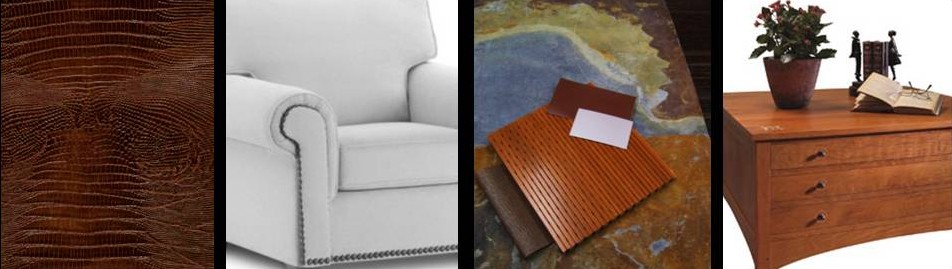
Interior design is today a broad field of skill sets, but the part we invariably relate to the design profession is the interior feel of a space which is largely influenced by the materials we see, walk on and touch. It’s like an artist’s brush that has been stroked across the interior surfaces creating a mixture of colors, textures and visual excitement. While the creativity comes from the designer, the direction is once again cast by the goals and objectives set by the client. The interior designer transforms the desired effects and feelings to be evoked into a palette of materials that together speak the language of the room to those who visit and experience the space. Continue reading
And The Beat Goes On…
While thinking of the design being something that continues on I could not help but flash on the classic ‘60’s hit, its syncopated driving bass line and closing lyric “and the beat goes on.” The 1967 pop hit is none other than “The Beat Goes On” written by Sonny Bono and sung by Sonny & Cher. Perhaps I’m giving up my generational age but the driving force of a project is the design and all the reasons it is what it is become the lyrics and legacy of the building as it lives on.
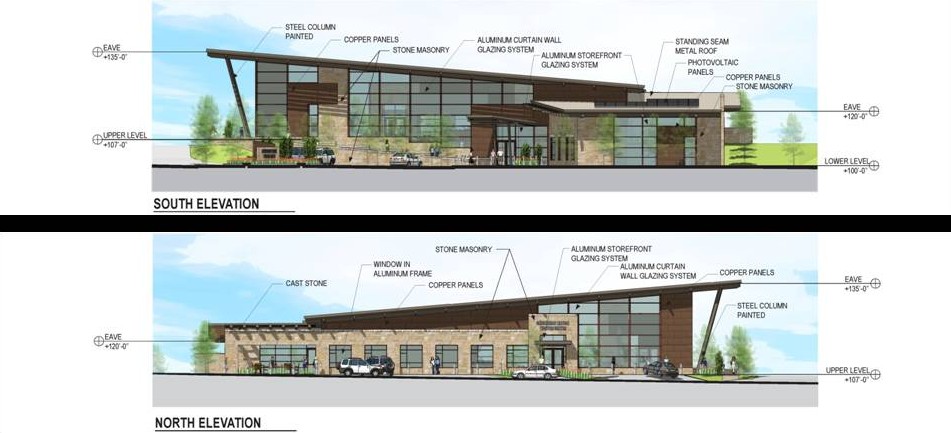
We’re into the final design phase of the Visitor Center. We have had preliminary design review meetings with the client and we have also had time to reflect on how well the design is achieving the project goals, LEED objectives and that the aesthetic character is right. The goals and objectives are more a matter of checking things off the list, but aesthetics are very subjective and we rely on an artistic maturity and the feeling that we created something special for the client. We get a thumbs-up from the Chickasaw Nation; that feels good. Continue reading
Design / the continuous thread
Design
When does it begin; when does it end? Design has its beginnings in the early dreams and vision of the client. Formalized design activity comes into play when the design professional engages in the project. These formal stages of preliminary design and final design initialize and refine the big idea respectively. While preliminary design creates the first generation of site and plan organization, final design investigates and resolves how the building components begin to integrate with one another. Final design sets the stage and direction for how the materials will blend and transition throughout the building. The pieces and parts of the architecture and engineering systems come together to form a composition of assemblies. These include floor assemblies, wall assemblies, ceiling assemblies and roof assemblies. However, the design effort does not end with final design. Continue reading
Filed under Construction, Design, Interior, Materials
Preliminary Design / the end of round one
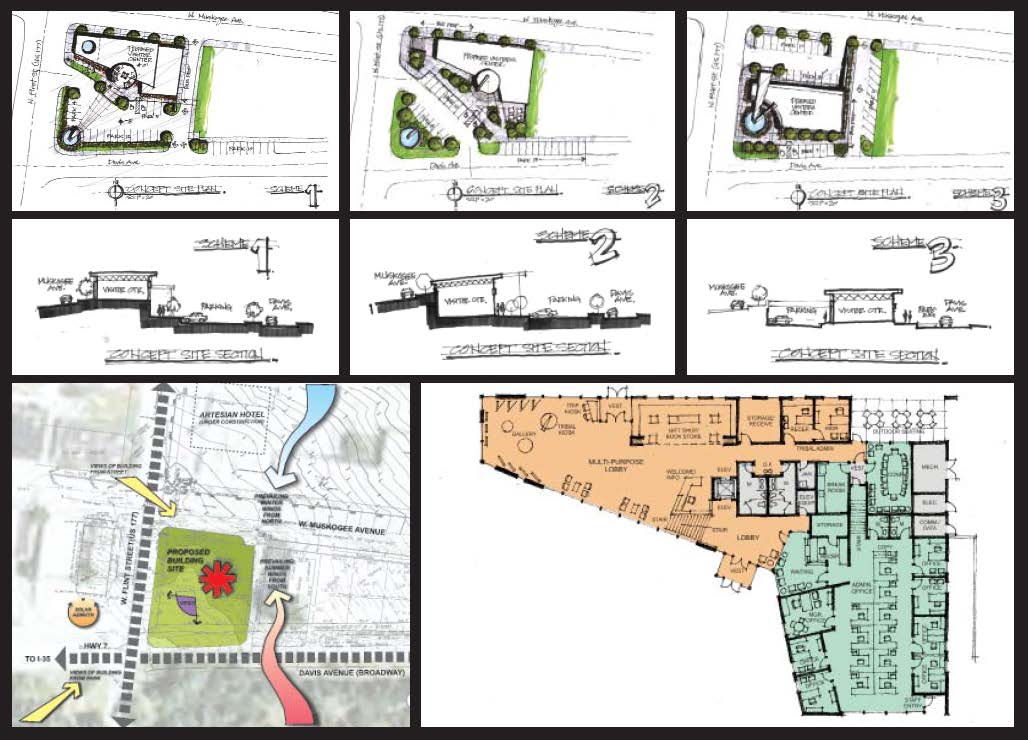
The architectural character and palette of materials were outlined in the previous post on the “trail to creativity.” The materials must now be orchestrated into an expression of form that creates visual and physical texture. The designer is challenged with how those elements integrate with each other and flow from one the next to create architectural interest and character. It is all too easy to only think of the site and floor plan as flat planes. While the site and floor plans are represented as 2 dimensional illustrations, the challenge is to be thinking of the site and building as a 3 dimensional elements concurrent with working out the site grades, views, circulation, building access, building space needs, groupings, adjacencies and flow.
The integration of the architecture and engineering systems cannot be an afterthought to design; something left to chance. The results of this approach can be disastrous. So as the site and plans evolve, the designer must be thinking of how engineering systems are woven into the architectural solution. At times the engineering systems themselves become exposed expressions of the architecture. Continue reading
Design / the trail to creativity
While defining the project, i.e. the problem, is paramount to arriving at the right solution, problem solving is at the heart of the design process. This is the primary skill of the design professional and it’s the challenge that keeps us charged and alive with creativity. As we engage ourselves in the creative process, each discipline must reflect on the project needs identified in the charrette then overlay it with the sustainable design criteria identified in the LEED workshop. Continue reading
LEED / how green is green
At the beginning of every project, FSB has an in-house, multi-discipline brainstorming meeting to explore how to apply sustainable principles to the design of the project. If we are pursuing LEED certification, we expand our discussions into a LEED workshop where we investigate the various points that can or cannot be achieved for the project using the USGBC checklist. This is an all disciplines on deck exercise as LEED points cover the spectrum of architecture and engineering systems, materials and design considerations. As you recall, our goal is to achieve LEED Platinum the top prize valued at 80 points.
(new post each Tuesday. coming next: The Design/putting on the ritz) Continue reading
Sustainable / the pursuit of green
Green, sustainable, what does it all mean?
The sustainable design movement began around… well, I’m not sure that a specific date can be pinned down. While the notion of sustainability began to surface in the 1970’s, the term “green” became a serious buzz word in the late 1980’s. The first book I read on the subject was Green Architecture / Design for an energy conscious future published in 1991. The underlying message is presented as an argument for resource-conscious building calling on architects to realize a shared responsibility for the earth’s resources. Over time, the movement has become a call to action with the focus being a matter of human sustainability on planet earth. I believe that sustainable design is here to stay and only a matter of time when it will be the norm. Continue reading
“En Charrette”/ the architectural statement
We are on the home stretch of the Charrette. We have set goals and played with the site layout but now we need to discuss the architectural character of the building inside and out. We began by reviewing the entourage of images of similar facilities throughout the globe that we had assembled as a part of Preparing for a Creative Exchange of Ideas. There was also the exploration of familiar structures nearby which included: Continue reading
“En Charrette”/ exploring the site layout
We are now only half way through the Charrette day. The morning was filled with defining goals, objectives, purpose and space needs. The afternoon is reserved for exploring the site layout and the exterior design. The exciting news of the morning was that the Chickasaw Nation set a goal to achieve LEED Platinum for the design of the project.
There are several things to consider when thinking about how the site can be best utilized for the project. Each consideration has a part in the development the conceptual site plan. Here’s what we look at: Continue reading
“En Charrette” / the project definition workshop
The real charrette is here. This is the day we explore creative ideas with the stakeholders. We have previously distributed the pre-charrette packet for the Program Definition Workshop. We are counting on everyone having done their homework by thinking about the various pieces of information we have sent them regarding ideas for spaces, ideas for the flavor and style of the building interior and exterior and what experience they would like the architecture to create.
I always ask the stakeholders, “if the building could talk, what would you want it to say to visitors, what do you want their experience to be and what feelings would you want them to have from interacting with the architecture?” Continue reading


.
.